Nocturnal Animals: Adaptations for Life in the Dark
As daylight fades, a different cast of creatures emerges. Nocturnal animals have evolved remarkable adaptations that allow them to navigate, hunt, and communicate in low-light conditions. From the silent flight of owls to the echolocation of bats and the keen senses of foxes, these species demonstrate the diverse ways life adapts to the dark. Understanding these adaptations provides insight into the complexity of nocturnal ecosystems and the importance of preserving them.
Observing nocturnal wildlife can be a rewarding experience, but it requires careful consideration to avoid disturbing the animals. Ethical observation practices help minimize human impact while allowing a glimpse into the secret lives of these creatures. This article explores the sensory and behavioral adaptations of owls, bats, and foxes, and offers guidelines for respectful nighttime wildlife encounters.
By learning about these adaptations, we can better appreciate the challenges nocturnal animals face and the delicate balance of their habitats. Whether you are a casual nature enthusiast or a dedicated wildlife observer, understanding the science behind nocturnal life enhances both the experience and the responsibility that comes with it.
The Sensory World of Nocturnal Animals
Nocturnal animals rely on a suite of sensory adaptations that differ significantly from those of diurnal species. Vision, hearing, smell, and touch are often heightened or specialized to function in dim light or complete darkness. For example, many nocturnal animals have a high proportion of rod cells in their retinas, which are more sensitive to low light than cone cells. This allows them to detect movement and shapes even in starlight. Additionally, a reflective layer called the tapetum lucidum behind the retina amplifies incoming light, giving some animals superior night vision.
Hearing is another critical sense for many nocturnal species. Owls, for instance, have asymmetrical ear openings that allow them to pinpoint the source of a sound with remarkable accuracy. Bats use echolocation, emitting high-frequency calls and listening to the returning echoes to build a detailed auditory map of their surroundings. Foxes, while not as specialized as owls or bats, have acute hearing that helps them detect prey moving under leaves or snow. These sensory adaptations are not just about finding food; they also help avoid predators and navigate complex environments.
Chemical senses, such as smell and taste, also play a role in the nocturnal world. Many nocturnal mammals have a well-developed olfactory system, allowing them to locate food, identify mates, and mark territories. For instance, foxes use scent marking to communicate with others, and their keen sense of smell helps them scavenge or hunt. Even in the dark, chemical signals can persist, providing information that visual or auditory cues cannot. Together, these sensory systems create a rich perceptual world that is finely tuned to the challenges of night.
Owls: Silent Hunters of the Night
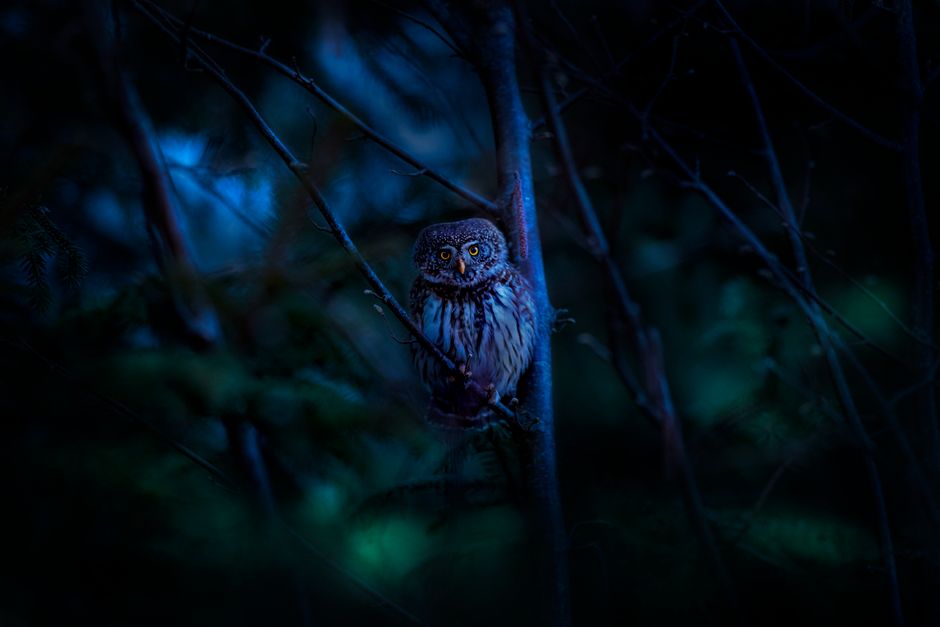
Owls are perhaps the most iconic nocturnal predators, and their adaptations for silent flight and acute hearing are legendary. Their feathers have a comb-like structure on the leading edge and a soft fringe on the trailing edge, which reduces turbulence and muffles sound. This allows owls to fly almost silently, sneaking up on prey that might otherwise hear them coming. The large facial disk, composed of feathers that direct sound toward the ears, further enhances their hearing. In some species, the facial disk can be adjusted to focus on specific sounds.
Owls’ eyes are also highly adapted for night vision. They are large and tubular, providing excellent light-gathering capability, but they are fixed in their sockets. To compensate, owls can rotate their heads up to 270 degrees, giving them a wide field of view. Their retinas are packed with rods, and they have a tapetum lucidum that reflects light back through the retina, improving sensitivity. Despite these adaptations, owls are not completely blind in daylight; they simply prefer the cover of darkness for hunting.
Behaviorally, owls are territorial and often solitary outside the breeding season. They communicate through a variety of calls, from the familiar hoot of the great horned owl to the screeches of barn owls. These vocalizations serve to establish territory, attract mates, and warn off intruders. Owls typically hunt by perching and waiting, then swooping down on prey with silent precision. Their diet varies by species and habitat, including rodents, insects, and even fish. Understanding owl behavior is essential for ethical observation, as disturbing them during critical hunting or nesting times can have negative consequences.
Bats: Masters of Echolocation
Bats are the only mammals capable of true flight, and their nocturnal lifestyle is supported by echolocation, a biological sonar system. Most bats emit high-frequency sound waves, often above the range of human hearing, and interpret the echoes that bounce back from objects. This allows them to navigate in complete darkness, detect obstacles, and locate prey such as insects. The frequency and pattern of echolocation calls vary among species, reflecting different hunting strategies and habitats. Some bats, like the little brown bat, use frequency-modulated calls to pinpoint small insects, while others use constant-frequency calls to detect prey in cluttered environments.
In addition to echolocation, bats have excellent vision, contrary to the myth of blindness. Their eyes are well-suited for low-light conditions, and some species rely on vision for long-distance navigation. Bats also have a strong sense of smell, which helps them find roosts and identify other bats. Social communication among bats involves a range of vocalizations, some audible to humans, and scent markings. These adaptations allow bats to exploit a wide range of nocturnal niches, from forests to urban areas.
Bats play critical ecological roles as pollinators, seed dispersers, and insect controllers. A single bat can consume thousands of insects in a night, making them valuable allies in pest control. However, bats face numerous threats, including habitat loss, disease, and human disturbance. Ethical observation of bats involves avoiding roost disturbance, using appropriate equipment like bat detectors, and never handling bats, as they can carry rabies. Understanding their sensory world helps us appreciate their importance and the need for conservation efforts.
Foxes: Adaptable Nocturnal Canids
Foxes are highly adaptable mammals that exhibit both nocturnal and crepuscular (active at dawn and dusk) behavior, depending on environmental factors and human activity. Their senses are well-developed for nighttime activity. Foxes have excellent hearing, capable of detecting small rodents moving beneath snow or soil. Their vision is also adapted for low light, with a tapetum lucidum that enhances night vision. Additionally, their sense of smell is acute, used for locating food, identifying individuals, and marking territory.
Behaviorally, foxes are opportunistic feeders, consuming a varied diet that includes small mammals, birds, insects, fruits, and carrion. They are known for their caching behavior, storing surplus food for later consumption. Foxes are generally solitary but may form small family groups during the breeding season. They communicate through a range of vocalizations, including barks, screams, and howls, as well as through scent marking. Their adaptability has allowed them to thrive in diverse habitats, from rural forests to urban environments.
Observing foxes in the wild requires patience and respect. Because they are wary of humans, foxes are best observed from a distance using binoculars or a spotting scope. Avoid feeding them, as this can lead to habituation and dependency. Keep pets indoors or supervised, as foxes may perceive small pets as prey or competitors. By understanding fox behavior and ecology, we can minimize negative interactions and promote coexistence.
Ethical Nocturnal Observation Practices
Ethical observation of nocturnal animals is essential to ensure that human presence does not harm wildlife. The following guidelines can help minimize disturbance:
- Use red light or low-intensity flashlights to reduce disruption of animals’ night vision. Red light is less visible to many nocturnal species and allows you to observe without causing temporary blindness.
- Maintain a safe distance and avoid approaching or cornering animals. Use binoculars or a telephoto lens to get a closer look without intruding on their space.
- Minimize noise and sudden movements. Speak softly and move slowly to avoid startling animals.
- Do not feed or attract animals with food. Feeding can alter natural behaviors and lead to dependency or aggression.
- Respect closed areas and private property. Stay on designated trails and obtain necessary permits for wildlife observation.
- Limit the use of camera flashes, which can disorient animals. If you must use a flash, use it sparingly and from a distance.
- Observe from a distance and avoid handling animals. If you find an injured animal, contact a licensed wildlife rehabilitator.
These practices not only protect the animals but also enhance your experience by allowing you to witness natural behaviors without interference. Remember that you are a guest in their habitat, and your actions can have lasting effects on their well-being.
Observing nocturnal wildlife is a privilege that comes with the responsibility to tread lightly and leave no trace.
By following these guidelines, you can contribute to the conservation of nocturnal species and their ecosystems. Whether you are exploring with a local nature group or on your own, ethical observation ensures that future generations can also enjoy the wonders of the night.